Showing posts with label Aircraft. Show all posts

Adventure Tech: A Quadracopter For Your GoPro

So, you've purchased a couple of GoPro cameras, picked up a good laptop for video editing and you're all set to create your first adventure film masterpiece. But before head out to capture all of your big moments for posterity, DJI-Innovations has one more piece of hardware you may want to add to your arsenal – there Phantom remote controlled quaracopter built to capture video from the air.

The Phantom is reportedly sturdy, easy to fly and comes with the built-in ability to hold its position and correct its orientation automatically. A camera mount designed specifically for GoPro cams is included and other than adding four AA batteries, the unit is practically ready to fly right out of the box. Quick and agile, the Phantom even includes GPS tracking, allowing it to safely "return to home" if it loses contact with the remote or its batteries start to run low.

This is a pretty serious piece of technology and DJI is offering it for $679, which is actually fairly cheap for a quadracopter of this kind. I'm sure this will be a big hit with adventure film makers who want to get a high level shot of their subjects but don't have the budget for a helicopter. We've seen drones used to great effect in adventure films before, but this new option seems to put it within reach of the masses. Previous to the Phantom, the quadracopter had to be built from scratch or from an expensive kit.

No word on how long this thing can fly between recharges so you may want to pick-up some extra batteries for when you're on a long shoot. You wouldn't want to miss that amazing aerial shot after all.

This is definitely intriguing product. I'm curious as to how well it flies and how easy it is to handle. Performance could make or break a product like this one, but it certainly has a lot of potential.

Thanks to The Goat for the tip on this one!
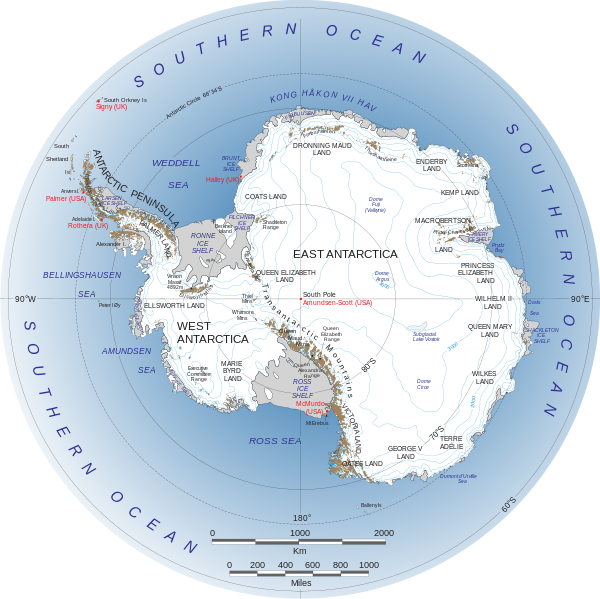

Antarctica 2012: Richard Parks Back In Punta, Season Officially Done!

There isn't a whole lot to report on the Antarctic season which has now officially wrapped up for another year. Last week I reported that that Richard Parks had pulled the plug on his expedition when it became abundantly clear that he wasn't going to be able to reach the South Pole before the last flight departed for the season. As you can imagine, this was a difficult decision for Richard, who struggled hard, trained for months and planned for this expedition for years. Something that he discusses in his latest dispatch, which gives us some insights into the mind of an explorer once his expedition is done.

On Friday, Richard was retrieved from the ice and flew directly to Union Glacier, which is the arrival and departure point for most private visitors to the continent. Parks was only there for a short time however and he was quickly hustled onto a plane for a flight back to Punta Arenas, Chile, arriving there a few hours later. That meant that the solo-skier went from total isolation for 39 days to being back in the hustle and bustle of modern life in a matter of just ten hours or so. As you can imagine, this was a bit of shock to his system, as he adjusted from going without most modern conveniences and a steady supply of food for more than four weeks, only to be dropped back into the fray without much time to adjust.

Richard spent most of the weekend sleeping and adjusting to being back in civilization. He has a lot of gear sorting to get done before he heads home, but reading the dispatch it didn't seem that he was much in the mood for accomplishing that task. He appears to be in a post-expedition funk that comes when your adventure ends but you're not quite ready to give it up just yet. He is ready to go home to friends and family, but is also missing the challenges of living and moving through Antarctica.

As I said, this personal and moving post to his blog offers good insight into what goes through an explorers mind when his expedition unexpectedly comes to an end. Some of the feelings he is experienced are exasperated by the fact that he didn't accomplish everything he set out to do, despite his best efforts. Those are the kinds of feelings that tend to spur us on even harder in future endeavors.

I also wanted to follow up on the story I posted last week about the aircraft that went down in the Antarctic with three crew members on board. The Twin Otter airplane operated by Kenn Borek Air disappeared while making a routine flight from the South Pole to Terra Nova Bay, and due to bad weather search and rescue teams were unable to launch their efforts.

Over the weekend, the weather cleared and SAR teams from New Zealand were finally able to locate the aircraft. It had crashed near the summit of Mt. Elizabeth and we're told that the impact was not survivable. The three crew members perished in the accident. The plane was spotted from the air, but due to continued high winds, no one has actually been able to reach the crash site as of yet.

My condolences to the friends and family of those who were aboard.

Twin Otter Aircraft Goes Missing In The Antarctic

A transport plane has gone missing in the Antarctic with three crew members onboard. The aircraft, which is operated by Kenn Borek Air, went down at around 10 PM local time Wednesday while making a routine flight from the South Pole to an Italian research station located at Terra Nova Bay. There is no word yet on the condition of the three men aboard.

When the Twin Otter aircraft went down and emergency locator beacon immediately went off, so Search and Rescue teams know where it is located. But bad weather has moved into the region so getting to the plane has not been an option at this point. That location falls under the jurisdiction of the New Zealand Antarctic rescue zone, so that country is aiding in rescue attempts.

The Kenn Borek plane is equipped with survival gear and rations for five days, so if the pilot managed to put the Twin Otter down safely, the crew is at least prepared to wait for rescue over the next few days. Weather forecasts indicate wind speeds of 90 knots (103 mph/166 km/h) in the area at the moment and heavy snow is believed to be moving in. That will hamper any attempts at a rescue for now, but SAR teams from New Zealand, Italy, the U.S. and Canada are all standing by to lend aid as soon as possible.

Lets keep our fingers crossed that the crew of the plane are okay and just waiting to get picked up.