Back in August and September I posted a couple of time about the TitiKayak expedition. For those who don't recall, that was the attempt by Belgian adventurer Louis-Philippe Loncke and Peruvian explorer Gadiel "Cho" Sanchez Rivera to become the first people to circumnavigate Lake Titicaca by kayak. The lake, which is located at 3812 meters (12,507 ft) in altitude and falls along the border of Peru and Bolivia, covers an area of 8372 sq. km (3232 sq. miles) and is widely considered to be the highest navigable lake in the world. Lonke and Rivera set out to paddle 1100 km (683 miles) around Titicaca's parameter while taking photographs if its shoreline and GPS coordinates of its current position. The hope is that the data will allow researchers to study the impact of climate change on the lake in the years to come by having baseline numbers to compare their readings to.
The expedition actually wrapped up in late September but due to busy schedules and other commitments, it has taken a bit of time to upload the photos from their journey and share details of what it was like out on the water. All told, it took Lou-Phi and Cho 38 days to paddle around the lake, staying close to the shore for most of the way. Stopping frequently to take photos and gather GPS data, the two men were meticulous in their approach and stuck closely to their plan as much as they could. They did run into some issues when attempting to cross the border into Bolivia, as law enforcement at the checkpoint between the countries were reluctant to let them pass, in part because they had never seen a kayak before. It took two days to sort out the paperwork, but eventually it came together and the adventurers were allowed to continue on their way.
Dealing with immigration officers were the least of their worries however and there were plenty of other challenges to keep them on their toes. For starters, August and September are winter months in the Southern Hemisphere and this was one of the coldest winters in recent memories. The boys faced freezing temps for much of the way and the Puno region through which they traveled received its highest amount of snowfall in the past 30 years. Cold temperatures, snow and a big lake don't always make for the best of conditions.
The primary focus of the expedition was to not just paddle around its shores but to also survey the health of the body of water. What Loncke and Sanchez Rivera discovered is that Titicaca is facing some serious challenges. The water was littered with garbage and is contaminated by chemicals and sewage dumped into into it from the surrounding communities. In short, the lake faces some major issues in the future and with no regulation or proper water treatment in place, it is going to get much worse before it ever starts to get better.
You can read more about the expedition and the team's experiences on the TitiKayak blog. You can also review the photos they took along the way in their Photo Inventory. All of the images have been uploaded and organized, but GPS coordinates have not been matched to them just yet. That is a big job that will be completed sometime early next year, completing the full data set of the inventory.
Congrats to Lou-Phi and Cho on completing this amazing adventure. Great effort on both the exploration and environmental front.
Showing posts with label Environmental. Show all posts
The Coldest Journey Update: Still Stranded As Sun Returns At Last
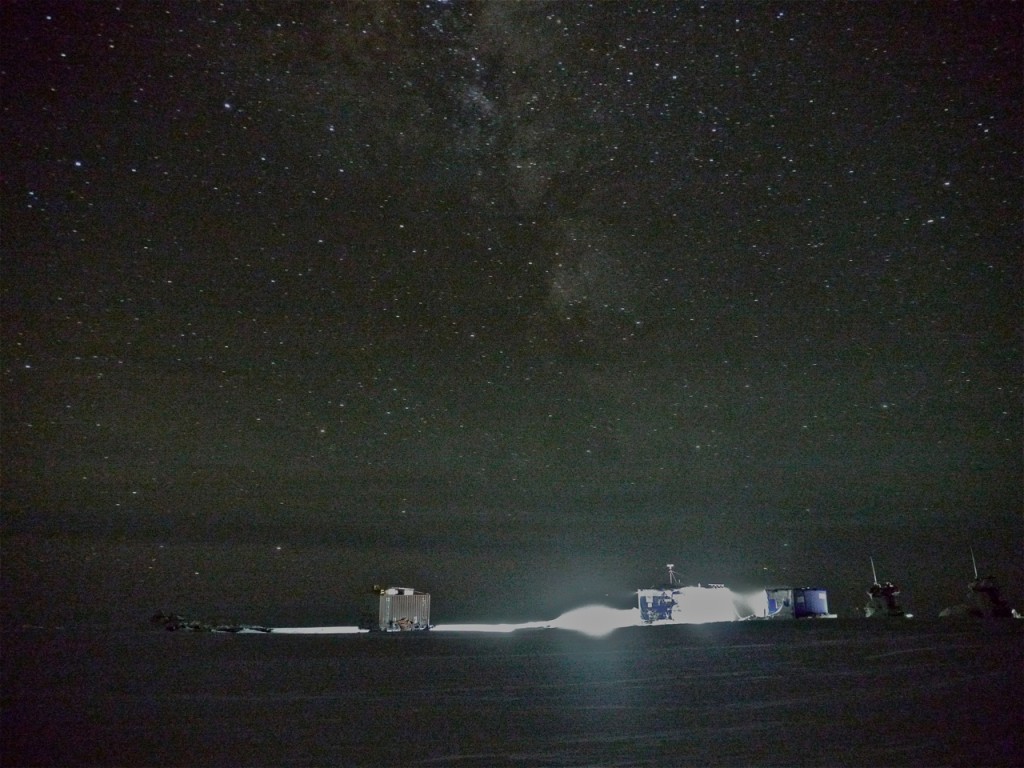
Remember the Coldest Journey expedition? It was the much vaunted attempt to cross Antarctica on skies in the winter, when the continent becomes one of the most inhospitable environments on the planet. When the expedition got underway this past March, it was with the anticipation that the team of explorers made up of Brits Brian Newham, Ian Prickett, Richmond Dykes, Rob Lambert and Spencer Smirl would traverse the Antarctic by way of the South Pole, covering some 4000 km (2485 miles) along the way. By June, that goal had become a distant memory however, as bad weather, incredibly difficult surface conditions and dangerous crevasses prevented the men from making the steady progress they had hoped. As a result, they put a halt to their journey and elected to set up camp and wait for a plane to come pick them up once spring had arrived. Two months later, they're still waiting for that plane, although they have had their first glimpse of things starting to turn in their favor.
For the past two months the team has essentially been camped in the same spot while they've waited for the winter to pass. During that time they have continued to focus on the scientific aspects of the expedition which consist of taking various weather readings to measure the impact of climate change on the environment in the Antarctic. While they haven't been able to make any progress forward or back, they are still going about the business of collecting data for ongoing research.
There was a glimmer of hope on the horizon this past week however as the sun has shown itself for the first time in weeks. During the Antarctic winter the days get increasingly shorter until the sun dips below the horizon altogether and the continent is shrouded in darkness. But that long night has come to an end at last and the sun has begun appearing above the horizon for the first time in quite awhile. The days may not be all that long just yet, but it is a start. And for this embattled crew, it is also the first sign that spring is approaching. That could mean that there is a light at the end of the tunnel for these five men who have been in Antarctica for a really long time.
We're still probably a couple of months away from any kind of evacuation taking place but the return of the sun is a good sign for these men. After weeks in nearly complete darkness, they'll now have some daylight to help bolster their spirits and mood. I'm sure at the moment they feel a bit like the expedition that the world has forgotten about, but optimism comes with the sun.
Hand in there boys! Spring will be here before you know it.
For the past two months the team has essentially been camped in the same spot while they've waited for the winter to pass. During that time they have continued to focus on the scientific aspects of the expedition which consist of taking various weather readings to measure the impact of climate change on the environment in the Antarctic. While they haven't been able to make any progress forward or back, they are still going about the business of collecting data for ongoing research.
There was a glimmer of hope on the horizon this past week however as the sun has shown itself for the first time in weeks. During the Antarctic winter the days get increasingly shorter until the sun dips below the horizon altogether and the continent is shrouded in darkness. But that long night has come to an end at last and the sun has begun appearing above the horizon for the first time in quite awhile. The days may not be all that long just yet, but it is a start. And for this embattled crew, it is also the first sign that spring is approaching. That could mean that there is a light at the end of the tunnel for these five men who have been in Antarctica for a really long time.
We're still probably a couple of months away from any kind of evacuation taking place but the return of the sun is a good sign for these men. After weeks in nearly complete darkness, they'll now have some daylight to help bolster their spirits and mood. I'm sure at the moment they feel a bit like the expedition that the world has forgotten about, but optimism comes with the sun.
Hand in there boys! Spring will be here before you know it.
Video: Rios Libres Episode 4 - The Movement
Today we have the fourth – and final – episode of the Rios Libres web series, which over the past few weeks has introduced us to the threats that the rivers in Chilean Patagonia currently face. Corrupt officials in that country sold the water rights to those rivers to multi-national companies based in Europe. Those companies now intend to build hydro-electric generating dams along those rivers, which will have a lasting, and possibly irreversible, impact on the environment.
In this episode we get a chance to see exactly what is at stake here. Patagonia is one of the most dramatic and breathtaking landscapes on the planet and its future is now in jeopardy. We are at the crossroads as to where this issue will go next, but we can all sign an online petition asking Chile's president to reconsider construction of the dams. If those projects move forward, we could lose one of the last truly great wildernesses in existence.
Episode 4- The Movement from Rios Libres on Vimeo.
In this episode we get a chance to see exactly what is at stake here. Patagonia is one of the most dramatic and breathtaking landscapes on the planet and its future is now in jeopardy. We are at the crossroads as to where this issue will go next, but we can all sign an online petition asking Chile's president to reconsider construction of the dams. If those projects move forward, we could lose one of the last truly great wildernesses in existence.
Video: Rios Libres Episode 3 - The Alternatives
Episode three of the four part Rio Libres web series has been released, continuing the exploration of the issues that the wild rivers of Chilean Patagonia face now that multinational corporations are threatening to build dams throughout the region. In this episode we explore some alternatives to the hydroelectric plants that will irrevocably change the landscape in the south in order to power the mining operations in the north – a region where solar power is more viable than just about any other place on the planet.
This has been an excellent series so far, but it's painful to think about what they are potentially doing to Patagonia.
Episode 3- The Alternatives from Rios Libres on Vimeo.
This has been an excellent series so far, but it's painful to think about what they are potentially doing to Patagonia.
Video: Rios Libres Episode 2 - The History
Last week I introduced you to a new series of videos focused on the plight of the rivers in Chile's wild Patagonia region. This week we have the second video in the Rios Libres: Environmental Dispatches series, which will eventually be four parts in length. This time out we get a bit of a history lesson of the challenges that the rivers in Patagonia face as multi-national companies race to place dams on the river there in order to create hydroelectric power. But the impact of those dams could have a dramatic and irreversible effect on one of the last great wild spaces on our planet. We've seen it happen elsewhere and it would be a shame to see it happen in Patagonia as well.
Episode 2- The History from Rios Libres on Vimeo.
Video: Saving Patagonia's Wild Rivers
A new web video series has just launched entitled "Rios Libres: Environmental Dispatches." The four-part series explores the threats to Chile's rivers and the unique challenges that the people of that country are facing in order to save their wild spaces, including Patagonia, one of the most spectacular wildernesses on the planet.
The issue is that large conglomerates are planning to place five dams along two major rivers in Patagonia. Those dams will have a massive effect on the rivers and the ecosystems that surround them. In the video below, which is Episode 1 of this new series, we meet some of the people that live in Patagonia and get their thoughts on what the Baker and Pascua rivers mean to them.
Episode 1- The People from Rios Libres on Vimeo.
The issue is that large conglomerates are planning to place five dams along two major rivers in Patagonia. Those dams will have a massive effect on the rivers and the ecosystems that surround them. In the video below, which is Episode 1 of this new series, we meet some of the people that live in Patagonia and get their thoughts on what the Baker and Pascua rivers mean to them.
Video: Awesome Students Paddle 100km In Kayaks Made Of Plastic Bottles
A few weeks back, 25 amazing students completed a 100km (62 mile) paddling expedition down the Whanganui River on the North Island in New Zealand. That alone would be a pretty cool story, but they also made the journey in kayaks made out of plastic bottles. The video below gives us a glimpse of that journey and those kayaks, which I have to say look fantastic. A longer documentary of their adventure will come later and you can find out more on the group's Facebook page.
Thanks Lou-Phi for sharing this great video! Great stuff!
Cyclist On A 4500-Mile, Coast-To-Coast, Zero-Impact Adventure
Cycling coast-to-coast across the U.S. is a fun adventure, albeit a relatively common one. Because of the great infrastructure here in the states, this isn't quite as difficult as say, riding across Africa. Still, it is a fantastic endeavor none the less and the freedom of the open road calls to many riders on an annual basis. But this year, one rider has found a unique approach to his cross-country adventure as he not only looks to pedal across America, but do so with as minimal of an impact on the environment as possible.
Rob Greenfield set out from San Francisco on April 22 – Earth Day – on what he calls his Off The Grid Across America Adventure. His journey will take him through 19 states and take approximately three months to complete, covering 4500 miles (7242 km) in the process. All of that is standard fare for this kind of long distance ride of course, but what sets Rob's efforts apart is his sustainable approach to this adventure. For instance, he will only be using electricity that is gained through alternate energy sources such as solar or that which is generated while he is pedaling his bike. He also intends to use only natural water sources and will be creating almost zero trash along the way. Greenfield is also committed to eating only locally sourced, organic foods, composting all of his food waste products and shopping only at businesses that show a commitment toward creating a healthy planet.
Rob is now two and a half weeks into his ride and has been blogging his progress regularly. You can follow along as he makes his way across the U.S. this summer, eventually ending the journey in Waitsfield, Vermont at the headquarters for the 1% for the Planet organization. He hopes to raise $10,000 for that non-profit through his efforts.
Good luck Rob!
Rob Greenfield set out from San Francisco on April 22 – Earth Day – on what he calls his Off The Grid Across America Adventure. His journey will take him through 19 states and take approximately three months to complete, covering 4500 miles (7242 km) in the process. All of that is standard fare for this kind of long distance ride of course, but what sets Rob's efforts apart is his sustainable approach to this adventure. For instance, he will only be using electricity that is gained through alternate energy sources such as solar or that which is generated while he is pedaling his bike. He also intends to use only natural water sources and will be creating almost zero trash along the way. Greenfield is also committed to eating only locally sourced, organic foods, composting all of his food waste products and shopping only at businesses that show a commitment toward creating a healthy planet.
Rob is now two and a half weeks into his ride and has been blogging his progress regularly. You can follow along as he makes his way across the U.S. this summer, eventually ending the journey in Waitsfield, Vermont at the headquarters for the 1% for the Planet organization. He hopes to raise $10,000 for that non-profit through his efforts.
Good luck Rob!
Colorado River Tops List Of America's Most Endangered Rivers Of 2013
Earlier today, American Rivers, an organization dedicated to preserving and protecting the waterways of the U.S., released its 2013 list of America's Most Endangered Rivers. The report, which has been released annually for the past 30 years, serves to raise awareness to the challenges that these rivers face, which includes poor water management plans, excessive pollution and climate change.
All told, there are ten rivers that receive "Most Endangered" status this year. Some of those rivers include the Kootenai River in Montana and Idaho, the Catawba in North and South Carolina and San Saba River here in Texas. But perhaps the most alarming waterway to make the list is the iconic Colorado River, which stretches across the Western United States and has a dramatic impact on the entire region.
The Colorado tops the list for endangered rivers with the report citing "outdated water management" as the biggest concern. The situation has gotten so dire in fact that American Rivers says that "there is not enough water in the Colorado River to meet the Basin’s current water demands, let alone to support future demand increases from growing populations." The river is already amongst the most controlled and dammed waterways on the planet, with plans for more in the future. Considering how important the river is to the states it passes through (Arizona, California, Colorado, Nevada, New Mexico, Utah, Wyoming), the lack of water is a serious cause for concern as we head deeper into the 21st century.
So how can this trend be changed and the Colorado be saved? Well for starters, we can urge Congress to fund the Bureau of Reclamation’s WaterSmart and Title XVI Water Reclamation and Reuse programs. Both of those initiatives are going to be very important as we head forward, not just on the future of the Colorado, but numerous other rivers across the U.S. Particularly as climate change make drought more common and weather patterns more unpredictable.
The video below was put together to help explain the situation on the Colorado more fully and give us a visual idea of what we are dealing with here. It is a sobering piece piece that will definitely have a lasting impression.
All told, there are ten rivers that receive "Most Endangered" status this year. Some of those rivers include the Kootenai River in Montana and Idaho, the Catawba in North and South Carolina and San Saba River here in Texas. But perhaps the most alarming waterway to make the list is the iconic Colorado River, which stretches across the Western United States and has a dramatic impact on the entire region.
The Colorado tops the list for endangered rivers with the report citing "outdated water management" as the biggest concern. The situation has gotten so dire in fact that American Rivers says that "there is not enough water in the Colorado River to meet the Basin’s current water demands, let alone to support future demand increases from growing populations." The river is already amongst the most controlled and dammed waterways on the planet, with plans for more in the future. Considering how important the river is to the states it passes through (Arizona, California, Colorado, Nevada, New Mexico, Utah, Wyoming), the lack of water is a serious cause for concern as we head deeper into the 21st century.
So how can this trend be changed and the Colorado be saved? Well for starters, we can urge Congress to fund the Bureau of Reclamation’s WaterSmart and Title XVI Water Reclamation and Reuse programs. Both of those initiatives are going to be very important as we head forward, not just on the future of the Colorado, but numerous other rivers across the U.S. Particularly as climate change make drought more common and weather patterns more unpredictable.
The video below was put together to help explain the situation on the Colorado more fully and give us a visual idea of what we are dealing with here. It is a sobering piece piece that will definitely have a lasting impression.
Obama Nominates REI Chief Sally Jewell For Secretary Of Interior
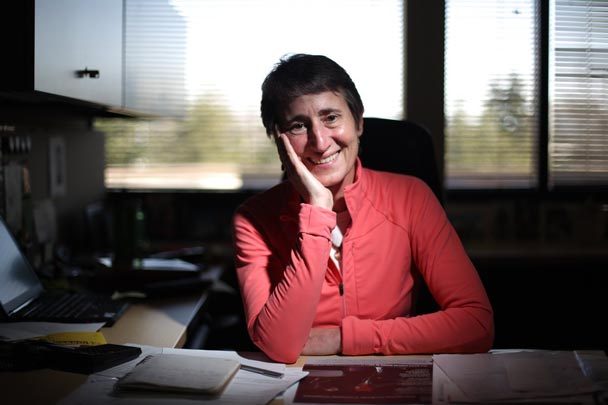
Well here's a move I didn't see coming. President Obama named his selection for the new Secretary of the Interior today, tapping REI CEO Sally Jewell for the job. If she meets the approval of Congress, and I don't see why she wouldn't, Jewell will replace outgoing Secretary Ken Salazar and become the first woman named to the President's second-term cabinet.
Jewell brings a wealth of experience in both business and outdoor conservation efforts to the job. Both areas of expertise will come in handy as the Department of the Interior struggles with budget cuts and increasing challenges. Just yesterday I wrote a piece on the fiscal problems facing America's national parks for Gadling, which was based on leaked documents that show just how large the challenges for the Park System really are. The Depart of Interior oversees the National Park Service, the Forestry Department and a number of other units, all of which will be dealing with increased costs and reduced funds moving forward.
On a personal note, I had the distinct pleasure of meeting Sally a few years back when I attended the grand opening of one of REI's flagship stores. She struck me as someone who was not only incredibly sharp and dedicated to moving REI forward as a brand but also someone who is committed to preserving the environment for future generations to enjoy as well. Those qualities will serve her well in Washington, as I expect she'll get approved with no problem at all.
Hopefully the job won't be too big for her. Anyone joining the Obama cabinet for this second term will be facing a lot of up hill battles.
Jewell brings a wealth of experience in both business and outdoor conservation efforts to the job. Both areas of expertise will come in handy as the Department of the Interior struggles with budget cuts and increasing challenges. Just yesterday I wrote a piece on the fiscal problems facing America's national parks for Gadling, which was based on leaked documents that show just how large the challenges for the Park System really are. The Depart of Interior oversees the National Park Service, the Forestry Department and a number of other units, all of which will be dealing with increased costs and reduced funds moving forward.
On a personal note, I had the distinct pleasure of meeting Sally a few years back when I attended the grand opening of one of REI's flagship stores. She struck me as someone who was not only incredibly sharp and dedicated to moving REI forward as a brand but also someone who is committed to preserving the environment for future generations to enjoy as well. Those qualities will serve her well in Washington, as I expect she'll get approved with no problem at all.
Hopefully the job won't be too big for her. Anyone joining the Obama cabinet for this second term will be facing a lot of up hill battles.
Video: Our World Is A Beautiful Place
Those of us who love the outdoors and the world's wild places don't really need further proof that the Earth is one amazing, beautiful place. But for those who still require a bit of convincing, take a gander at the video below. It is 6+ minutes of fantastic images from a variety of stunning places set to inspiring music.
I recommend watching it on full-screen mode and at a time when you won't be distracted by other things. Enjoy!
Video: Trailer For Dear Governor Cuomo
If you have any kind of environmental slant you probably already know what "fracking" is and why it is such a hot button topic at the moment. But for those who aren't aware, fracking, or more properly hydraulic fracturing, is the process of drilling and injecting fluids into the ground at an extremely high pressure in order to fracture shale rocks to release natural gas. Proponents of the procedure see it as a way to get more natural gas out of the Earth and as an economic stimulant. Those opposed to it cite concerns with how the process will pollute both the air and more importantly the local water supply. The process has also been shown to cause contaminate the ground with chemicals at the site of the drilling too.
A new documentary film called Dear Governor Cuomo takes a look at the impact of fracking on the state of New York and how one man – Governor Andrew Cuomo – can make a huge difference simply by banning the practice. This past May, a group of musicians, actors, scientists and activists gathered in Albany, NY to ask the Governor to join the anti-fracking movement. The documentary, which is written and directed by our friend Jon Bowermaster, is a blend of moving music and a powerful message of protecting the environment.
The film is in limited release now and is an important one, even if you don't live in New York.
A new documentary film called Dear Governor Cuomo takes a look at the impact of fracking on the state of New York and how one man – Governor Andrew Cuomo – can make a huge difference simply by banning the practice. This past May, a group of musicians, actors, scientists and activists gathered in Albany, NY to ask the Governor to join the anti-fracking movement. The documentary, which is written and directed by our friend Jon Bowermaster, is a blend of moving music and a powerful message of protecting the environment.
The film is in limited release now and is an important one, even if you don't live in New York.
Subscribe to:
Posts (Atom)

Follow Us
Were this world an endless plain, and by sailing eastward we could for ever reach new distances